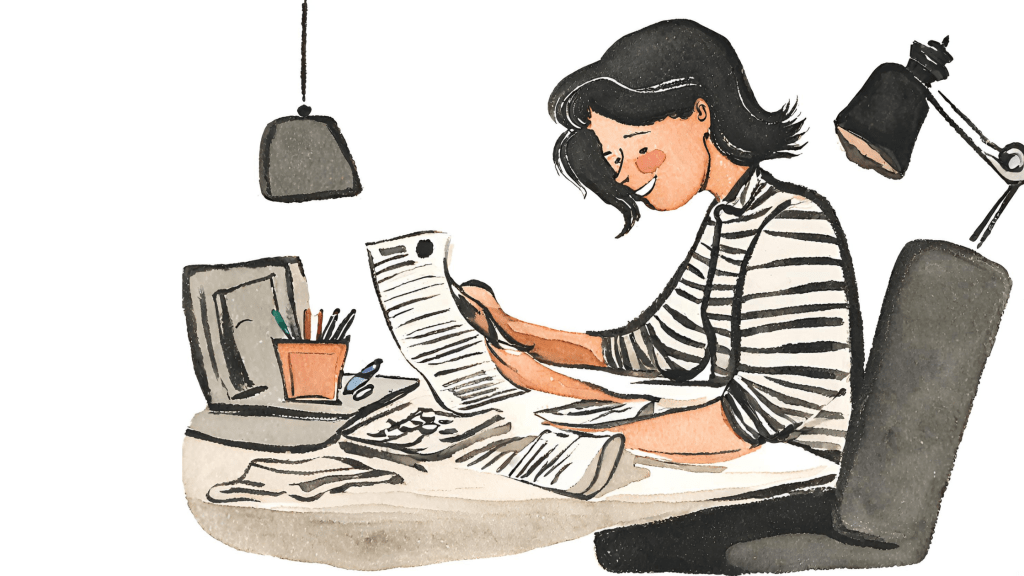
Whether you’re a seasoned wordsmith or just starting out on your writing journey, getting paid for your craft is undoubtedly a top priority—and a top stressor. And I totally get it; navigating the choppy waters of payment as a freelancer can sometimes feel like venturing into uncharted seas in an inflatable pool toy.
Fear not! I’ve had my fair share of—let’s face it—nightmare clients. I once had to chase a guy for six months for a €250 invoice. One shady magazine back in Malta required its (mostly young) contributors to submit seven articles for free before getting paid, ‘to ensure commitment’.
In this guide, I’m going to walk you through the ins and outs of getting paid as a freelance writer, from setting rates to dealing with late-paying clients.
Setting your rates
Setting your rates is one of the first steps to establishing yourself as a freelance writer. It’s important to determine a rate that reflects your skill level, experience, and the value you bring to the table.
Start by researching industry standards where you live, and thinking deeply about your own expertise. Consider factors like the complexity of the project, your time investment, and the client’s budget.
It’s okay to start modestly as you build your portfolio, but don’t undervalue your worth. As you gain experience and recognition, don’t hesitate to adjust your rates accordingly. Confidence in your abilities will resonate with clients and justify your pricing.
Negotiating like a pro
Negotiation is a vital skill in the freelance world, especially when it comes to getting paid what you deserve. Show up to negotiations with confidence, professionalism, and clarity (it’s okay if you need to fake it until you make it with the first two, but not the third). Clearly outline the scope of work, deliverables, and timeline to avoid misunderstandings down the line.
Be prepared to articulate the value you bring to the project and be open to compromise when necessary. Negotiation is a two-way street, and finding common ground benefits you and your client. Establishing clear communication and mutual understanding early on will set the tone for a fruitful working relationship, whether it’s a one-off project or a long-term situation.
Sending invoices
Sending invoices is a bit of a tedious task, but it’s a crucial step in getting paid on time. Your invoice should be clear, concise, and professional. Include essential details like your contact information, the client’s details, project description, agreed-upon rate, and payment terms.
Use invoicing software or templates to streamline the process and keep things consistent—there are loads of free templates out there if you’re not sure what’s needed.
Set clear payment deadlines and terms to avoid ambiguity (and excuses!). Follow up promptly if payments are overdue, keeping a friendly-but-firm tone in your communications.
Chasing payments
Chasing payments is an unfortunate reality of freelance life (ew!), but it doesn’t have to keep you up at night. Stay proactive and organised when following up on overdue payments. Send polite reminders as payment deadlines approach, keeping track of all correspondence for documentation purposes.
If payments are majorly overdue, it’s time to escalate things…professionally. You might want to implement late fees or withholding further work until outstanding invoices are settled. Remember, your time and effort are valuable, and you have every right to pursue timely compensation for your work. I doubt your client works for free, so why should you?
Tips for smoother transactions
Getting paid on time is essential for maintaining financial stability and peace of mind as a freelancer. Set clear expectations from the outset, including payment terms and deadlines, in your contracts and agreements. Establishing a standard payment schedule can help streamline the process and ensure consistency.
Consider offering incentives for early payments to encourage promptness. Try to have multiple payment methods available to accommodate a wider range of clients and make those transactions as quick and easy as possible.
Focus on cultivating strong relationships with reliable clients who prioritise timely payments. Trust me on that one.
Dealing with late-paying clients
Dealing with late-paying clients can be frustrating and challenging, but it’s important to approach the situation with professionalism and diplomacy. Start by initiating open and honest communication to address any concerns or issues regarding late payments.
Seek to understand the underlying reasons for payment delays and work collaboratively to find solutions. Sometimes, it might make sense to flex your approach to payment depending on the client and the reason for lateness. That flexibility can look like an alternative payment plan, or renegotiating terms of the project. That said, always maintain firm boundaries and advocate for yourself as a freelancer—because nobody else will!
If efforts to resolve the issue the friendly way prove futile, then outside assistance or legal recourse is most likely your last resort. This is your livelihood, after all. Don’t let anyone mess with that.
Go forth and freelance
Success as a freelancer isn’t just about talent; it’s about knowing your worth, and going through your day with perseverance and effective communication in mind.
By setting clear rates, negotiating with confidence, sending invoices promptly, and navigating payment challenges with resilience, you’ll establish yourself as a reputable and reliable freelance writer and cut out the clients that just aren’t worth your time and energy. Every ‘quick’ chaser email you send increases the time you spend on a project and reduces your hourly rate.
So, here’s to your success as a freelance writer—may your words flow freely, and your payments arrive on time (or better yet, early).
Have you ever had to deal with late-payment nightmares? What are your tips and tricks for getting paid on time? Share in the comments for your fellow freelancers!
 Kelly Dent | Editor & Writer
Leave a comment